LinkedIn Ads Specialist | B2B Customer Acquisition
LinkedIn ads cost more than other platforms — cost per click usually runs several times higher than Meta or Google. I say this upfront because I see a lot of businesses test LinkedIn on a small budget, call it “too expensive,” and drop it. It’s expensive because the person and position you’re targeting are narrow and valuable.
Used correctly, what LinkedIn gives you is a depth of targeting no other platform has: position, industry, company size, seniority level. For a B2B business, that means concentrating a budget that would otherwise spread thin across a broad audience onto a narrow, qualified one.
Who does LinkedIn actually make sense for?
LinkedIn makes sense if the decision-maker for your product or service holds a specific position at a specific size of company. For a product sold to individual consumers, it’s usually not the right channel — the cost doesn’t pay off there.
In the initial call, we first talk through whether your target audience is actually on LinkedIn. Being “B2B” alone doesn’t mean LinkedIn is right for you; how concentrated your audience is on the platform matters.
Choosing a format: Sponsored Content or InMail?
Sponsored Content (the feed-native ad format) works well for brand awareness and content distribution. Sponsored InMail arrives as a direct message and feels more personal — it works better when you want a clear action, like an offer or an event invite.
Lead Gen Forms (the in-platform form) are another option: the user submits their info without leaving LinkedIn, so form completion rates go up, but the quality of the lead can sometimes drop. Which one is right depends on what your sales process actually needs.
Managing budget and expectations
On LinkedIn, spreading a small budget across a broad audience almost never produces results. Focusing instead on a narrow audience with a clear offer gets you fewer impressions but far more qualified engagement.
Results also tend to take longer than search ads, because B2B decision cycles are already long. We talk this through upfront and set a realistic timeframe.
How we start: First, we talk through what you want and what’s realistic. If it makes sense, I send scope and price in writing, then we begin. Reach me via the contact page.
Service Summary
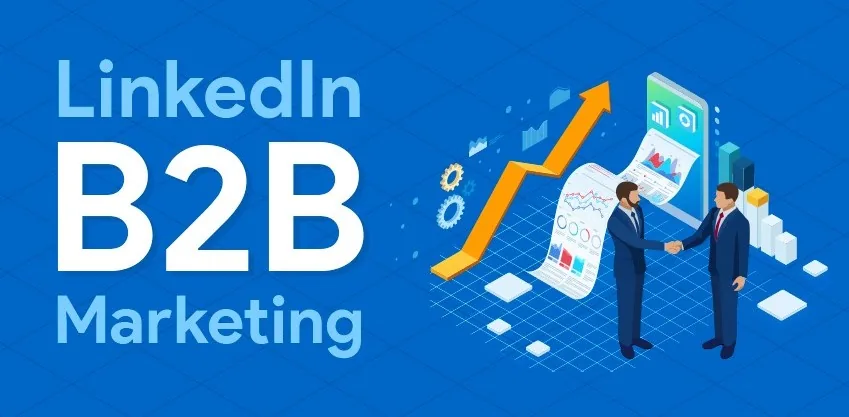
LinkedIn ads are an especially effective platform for B2B (business-to-business) marketing. The platform lets you reach the right people with the right message by targeting professional networks. For example, if you run a plastics manufacturing company and want to reach purchasing managers at aluminum plants across different regions of the world, LinkedIn is the most direct channel to do it.
Whether you’re promoting your company locally or internationally and want to reach potential customers, choosing LinkedIn can take your marketing efforts to the next level.
Other Social Media Ad Platforms
For B2C and visually-driven audiences, see Meta: Facebook Ads and Instagram Ads Expert. To reach a younger audience, see TikTok Ads Specialist.
Frequently Asked Questions
Why is LinkedIn advertising so expensive?
It comes down to targeting depth. Reaching a specific person in a specific position at a specific industry is naturally more costly than reaching a broad consumer audience. It’s more accurate to see it not as “expensive” but as “the price of access to a narrow, valuable audience.”
Should I try LinkedIn with a small budget?
Generally, no. A small budget isn’t enough to gather meaningful data within LinkedIn’s narrow targeting. If your budget is tight, I’d recommend testing on another channel first and considering LinkedIn once you reach a certain budget threshold.
How does organic LinkedIn content relate to the ads?
A profile or company page that regularly publishes organic content makes the ad more credible. If someone sees the ad and clicks through to an empty profile, conversion drops. Thinking about the two together produces better results.
When will I see results?
B2B decision cycles typically run weeks, sometimes months. LinkedIn ads don’t shorten that cycle — they just make sure you’re reaching the right person. It’s important to keep the timeline from first contact to sale realistic.
How do I work?
Work-hour packages
Tell me about your website and what you need on WhatsApp or by phone; we agree on a work block of somewhere between 5 and 40 hours and I start doing what is needed. What you get is not a calendar window — it is net working hours spent directly on your business. I can use 40 hours working three days straight, or deliberately spread it out and finish it over a year — whatever the work calls for. I do not spend my time estimating how long something will take, I spend it doing the work; every hour I spend has a lasting result on your site. We keep going for as long as you find it useful.
Why not monthly?
Is 40 hours a week?
On a fixed monthly fee both sides are watching the wrong thing: you watch a fixed cost, the other side watches how many more contracts like this they can line up. Working by the hour puts us both in front of the same thing — the real value of the work that got done. I know not having an upfront answer to "how much will this cost in total?" is the natural cost of this model. But instead of paying a fixed fee for months to a setup that is not producing results, you only pay for the qualified time spent on your work — and you see exactly where that time went, start to finish. That is why my clients keep coming back.