
MY TEAM
Each role in my AI team asks a different question: What deserves my attention? Which information is useful? Which problem is worth solving? Does the work meet its brief? The characters help me remember that division of work. I set the priorities and make the important decisions.
The council: one question, independent perspectives
For questions with meaningful trade-offs, I call the council with /konsey. It starts only when I ask. This chat council has its own method, separate from the workshop workflow below.
- Frontier model
- In-depth assessment, cross-review and a reasoned final answer.
- Fast model
- A faster contribution to independent assessment and cross-review.
A shared question
The coordinator prepares my question, constraints and sources. Each specialist gets a complementary focus chosen for that question; all three answer the whole question.
Three independent views
Three specialists form their initial answers without seeing one another’s responses. Each states its evidence, assumptions and counterexamples.
One cross-review round
All three read every initial view, test the reasoning and revise their own answers. They explain what changed and why; agreement does not need an invented objection.
A bounded evidence check
If a missing fact could change the decision, the coordinator makes at most one targeted source check or asks me one question. The same findings go to all three specialists; affected views may be updated once.
A reasoned final answer
The frontier model responsible for the final assessment receives the sources, initial views, revised views and any new evidence. It marks each important objection as accepted, rejected or unresolved, with reasons. Weak evidence leads to a conditional conclusion.
A private record
The coordinator presents the answer and preserves the full record. Only a completed run explicitly started with /konsey creates an entry in my private council archive. Implementation and publication remain my decisions.
The coordinator organises the work; the frontier model assigned to the final assessment writes the council’s answer. Agreement between models is not independent evidence. If a required model is unavailable, it is not silently replaced and the run is not presented as complete. Requested and provider-reported model identities are recorded separately.
How the chat council works
I start this council with the /konsey command in my chat. Three independent views, one cross-review round and a reasoned final answer: the diagram below follows the information through the process.
Personal focus, memory and system organisation
 MY BOSS
The Owner
The Owner's role is to keep my long-term goals visible amid everyday demands. This role exists to set a focus for the day, ask me to make time for it and hold me accountable for the result.
 KEEPER OF INFORMATION
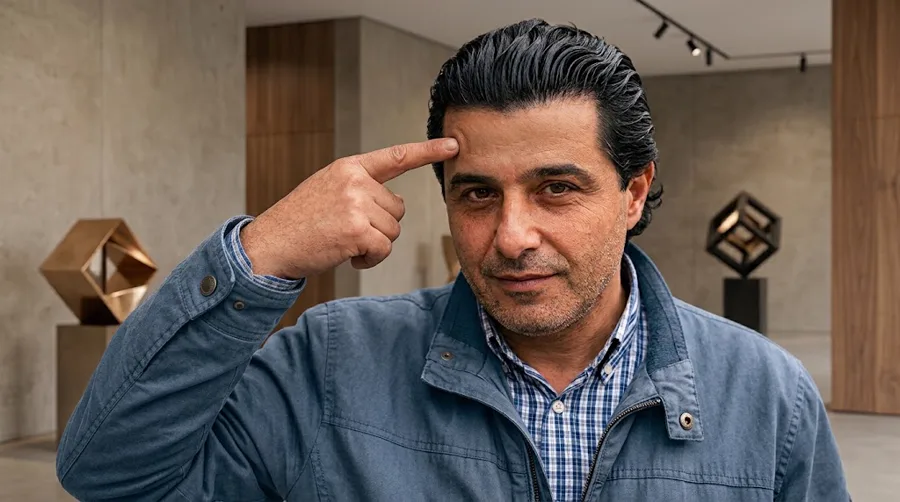
Triage
I send it links, notes and unfinished ideas. Triage extracts useful information, preserves its context and suggests where it belongs. An item added to the idea pool enters research; production requires a separate decision.
 CONTINUOUS IMPROVEMENT
The Brain
The Brain reviews friction and repetitive work in my working system. When it finds a small, worthwhile improvement, it brings me a reasoned proposal and waits for my decision before implementation.
 CLEANUP SPECIALIST
Undertaker
Undertaker identifies files that may have served their purpose or take up unnecessary space, and explains why they could be removed. It proposes a list; files I approve are moved to a quarantine area where they can be recovered.
Business development, production and quality
The workshop finds and develops opportunities worth spending time on. That might mean a small tool for a recurring business task, a narrowly defined service or a piece of work that shares my expertise. We examine the need and evidence first; I decide which work to develop.
 OPPORTUNITY SCOUT
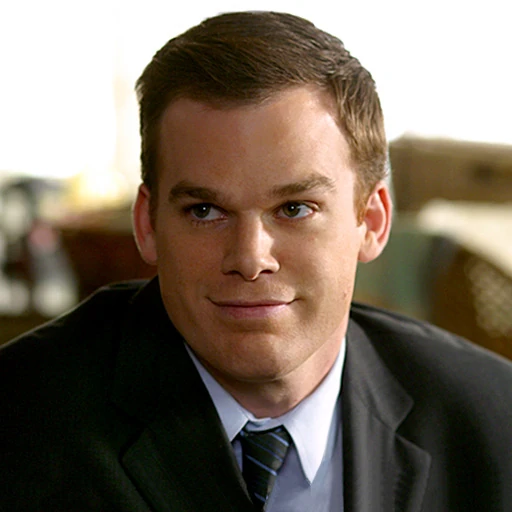
Barney Stinson
Barney looks for unmet needs and gathers sources, existing alternatives and signs of demand. Each opportunity comes with a question: What makes this worth investigating, and what do we still not know?
 SKEPTIC
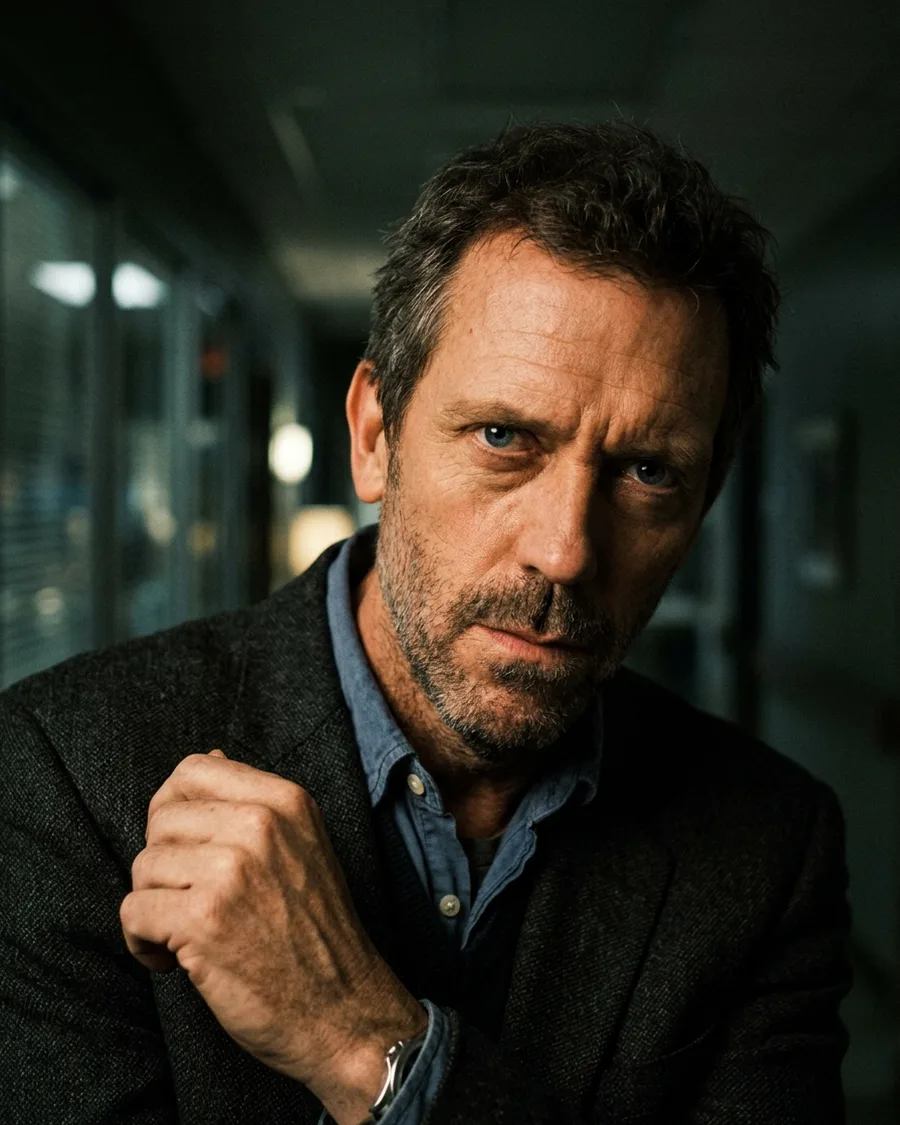
Dr. Gregory House
House looks for weak evidence, unnecessary scope, excessive effort or an alternative that already does the job. He explains his objections and, where possible, proposes a small experiment to test them.
 CUSTOMER PROXY
Marshall Eriksen
Marshall considers the person who would use the idea: Which task becomes easier, and is switching worthwhile? He forms his initial view without seeing House's review. This assessment does not replace interviews with real customers.
 STRATEGIST
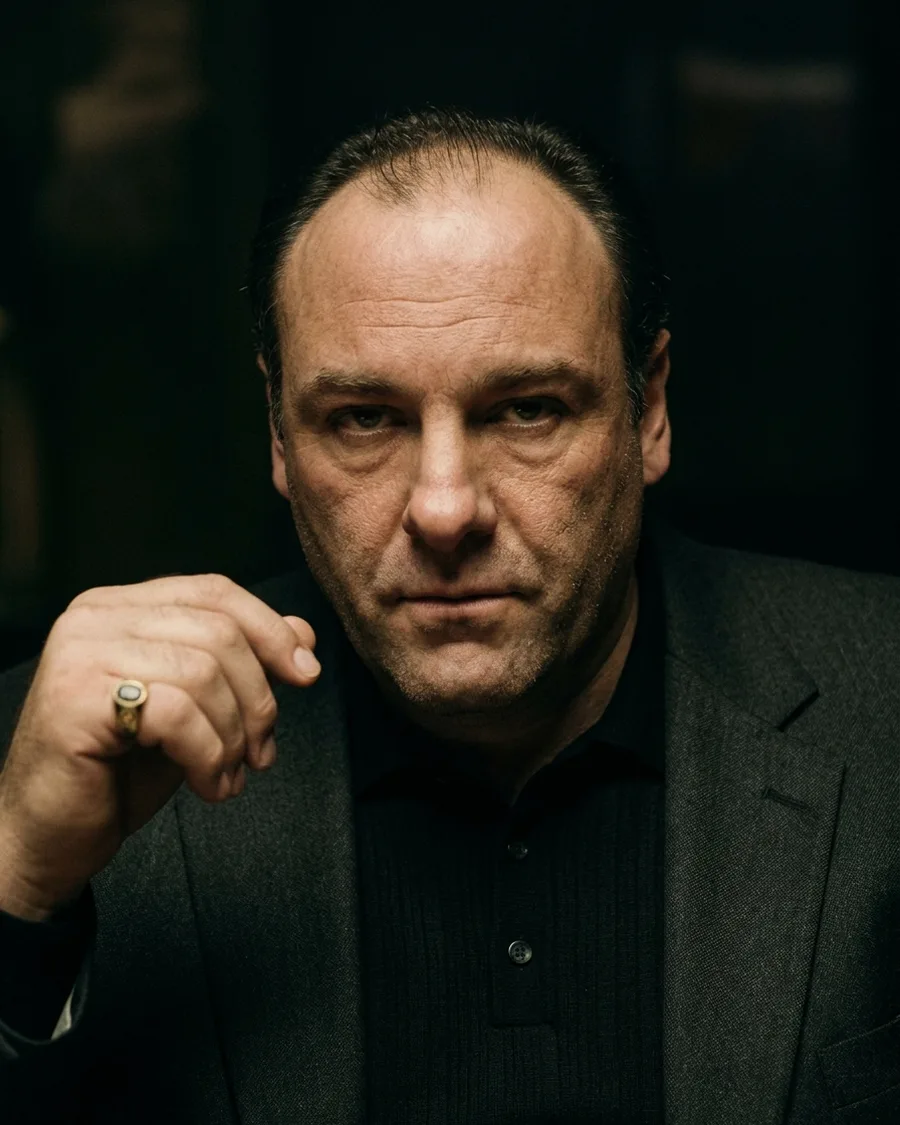
Tony Soprano
Tony weighs the evidence, House's objections and Marshall's assessment of the benefit. He explains whether he recommends proceeding, researching further, waiting or rejecting the idea. The decision remains mine.
 PRODUCT ARCHITECT
Ted Mosby
For an idea I accept into the decision stage, Ted prepares a one-page brief: who it serves, what we will build, what stays outside the scope and how we will test success. Unresolved objections remain visible. The brief needs approval before production.
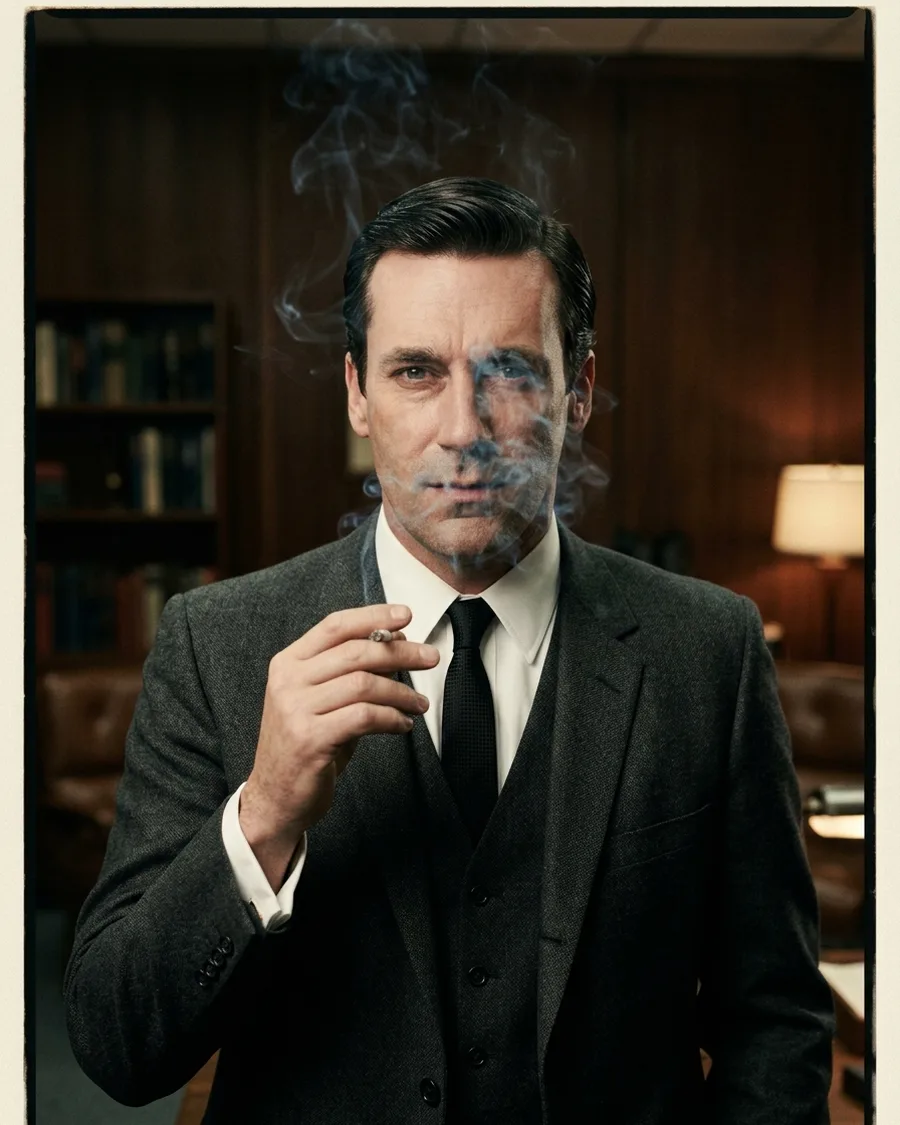 WRITER
Don Draper
Don explains the approved work in plain language. He prepares Turkish and English explanations where needed, ties claims to their sources and makes assumptions and limitations visible.
 BUILDER
Silvio Dante
When the approved brief calls for a demonstration, Silvio builds an interactive demo using sample data. He states what has been tested and what is not ready. A demo does not mean a product is ready for real use.
 VISUAL STORYTELLING
Claire Fisher
Claire plans how to make an approved idea understandable visually. She considers the mechanism, emphasis and sequence of the explanation. Producing the required visuals needs separate approval for that version.
 QUALITY REVIEWER
Anton Ego
Anton examines claims, consistency and the results of the tests performed. He turns findings into specific corrections and reports the limitations that remain. Final review and publication are my decisions.
Maestro — Messenger
Maestro notifies me about pending decisions, questions and important developments. Decisions are recorded in the dashboard; Maestro cannot approve work on my behalf.
What happens when an idea reaches the table?
Illustrative scenario: Consider an application that helps a small business keep track of the quotes it sends. This example explains the division of work. It is not a completed client project or a measured success story.
1. Idea — Investigate the need
Ideas I add, records from Triage and opportunities found by the team enter the same research process. Barney collects sources. House and Marshall assess the idea without seeing each other's initial review. Tony weighs the reasoning and writes his recommendation.
Is tracking quotes a real problem? Would an existing spreadsheet suffice? Why would someone switch to another tool? Unanswered questions remain open.
"I gathered data on quote follow-up delays, existing market alternatives, and search demand signals."
"A simple spreadsheet or ready template might already do the job. Why would anyone adopt a new tool?"
"Can the user see quote acceptance status at a glance? Is it worth changing their existing habit?"
"Weighed the arguments and alternatives. I recommend taking this to the drafting table for a narrow scope."
2. Decision — Choose a small, clear scope
Ted prepares a one-page brief for an idea I accept. The target user, deliverable, exclusions, risks and proposed test are visible together.
A first demonstration might need just one list containing a quote name, status and follow-up date. Automatic messages and connections to other systems stay outside this example's scope.
"Scope clarified: a single display list with quote name, status, and follow-up date. Complex integrations remain strictly out of scope."
3. Drafts — Make the approved scope tangible
Don prepares the explanation of the use and benefit. Silvio builds a demo with sample data if needed. It is clear what I can try and what remains a proposal.
I could change a sample quote's status and inspect how the list updates. We do not claim it is a system running on real customer data.
"Explained the quote tracking utility in plain language, keeping assumptions and boundaries explicit."
"Interactive demonstration with sample data is ready. Specified what was tested and what remains incomplete."
4. Revisions — Improve the work using findings
Any visual explanation I authorised is reviewed at this stage. Anton checks the explanations and test results; findings return to the relevant role for correction.
Does a status change appear correctly? Is the sample data clearly labelled? Does the explanation promise a feature the demo does not contain?
"Prepared the visual diagram and walkthrough showing the screen flow and how status tracking operates."
"Audited copy and test results. Claims not present in the demo were removed; remaining limitations are logged."
5. Approval — Publish only the version I reviewed
I see the final files together with the review results. Only the version I explicitly approve for publication may be published. A change to the content or scope cannot reuse approval from an earlier version.
The reviewed and tested demonstration is published only when explicitly approved; previous approval never carries over to a new version.
"Checked the final files and review results. The version explicitly approved by me is logged into the registry and published."
My workstation
- Processor
- AMD Ryzen 9 9950X3D16 cores / 32 threads
- Graphics card
- RTX PRO 6000 Blackwell
- Memory
- KLEVV Cras V 64 GB2 × 32 GB · DDR5-6000 CL30
- Motherboard
- MSI MAG X870E Tomahawk Max WiFi
- Storage
- KIOXIA Exceria Pro G2 · 2TB NVMeSamsung 970 EVO Plus · 1TB NVMe
- Cooling
- Arctic Liquid Freezer III Pro 360
- Case
- NZXT H9 Flow (2025)Fans: F420 Core + F120Q · 3 × Arctic P14 Pro Reverse
Three working principles
Separate initial assessments
The skeptic and customer proxy do not see each other's initial views. This helps surface different objections; it does not replace evidence from the real world.
Automatic research, human decisions
Ideas enter research automatically. Production, necessary visual work, final review and publication each require their own approval. Permission for one stage does not open the others.
Recorded rejections and revisions
An idea I reject does not automatically return. Changes to its source material or scope require a fresh assessment; earlier views and permissions do not transfer to new work.
Want this setup working on your business?
Tell me what you need on WhatsApp or by phone. The agents do the scanning and first diagnosis; I review the findings and make the decisions.